Field notes from a women’s leadership conference.
I came to Florence for a women’s leadership conference.
That is the simple version, anyway.
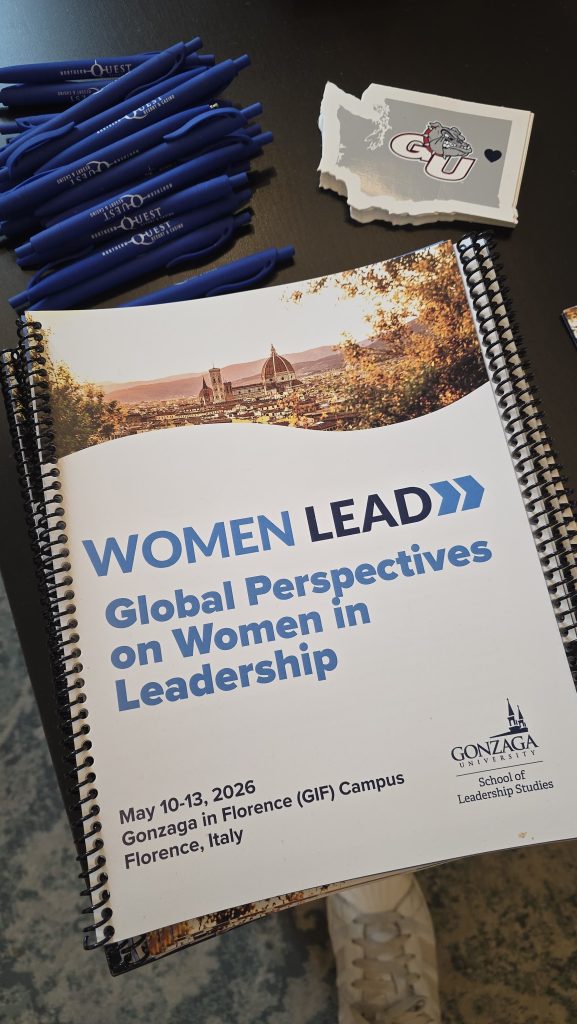
The fuller version is that I came to Florence for a few days of conversations about leadership, culture, gender, care, history, power, and place. The conference brought together women from different fields, countries, disciplines, and professional lives.
Some sessions happened in formal rooms. Some happened while walking through the city. Some happened over meals, in side conversations, or in the quiet space afterward, when I finally had time to ask myself what I had actually heard. It was called a conference, but it felt more like a retreat: small, intentional, and designed to ask questions rather than deliver answers
The formal workshop sessions took place under a large mural of Raphael’s The School of Athens.
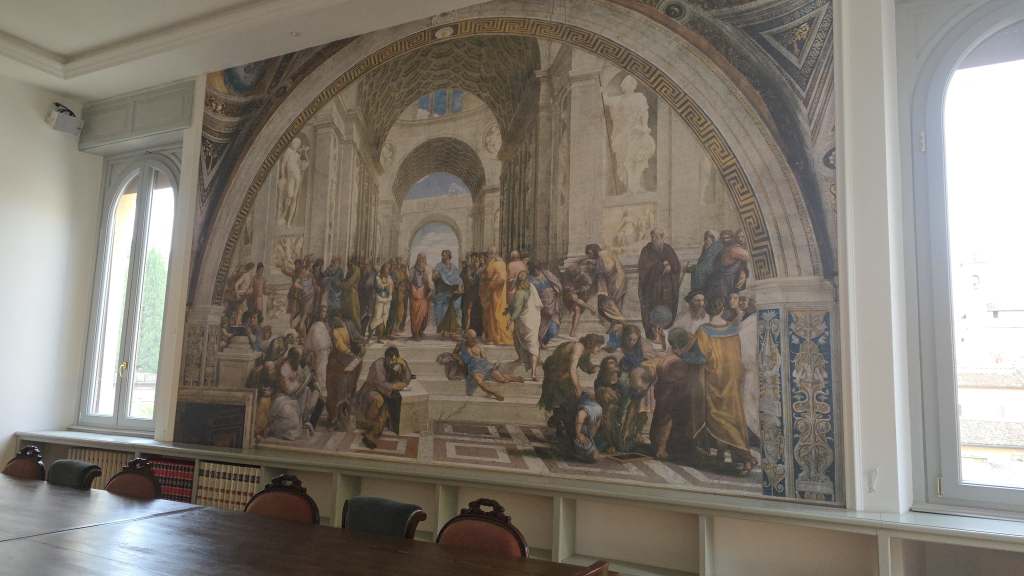
As an art lover, this felt almost too perfect. I know the painting well: it is actually the image that shows up on my Bing search page, so sitting beneath it in Florence while talking about leadership, knowledge, and women’s experience felt like one of those strange little alignments travel sometimes gives you.
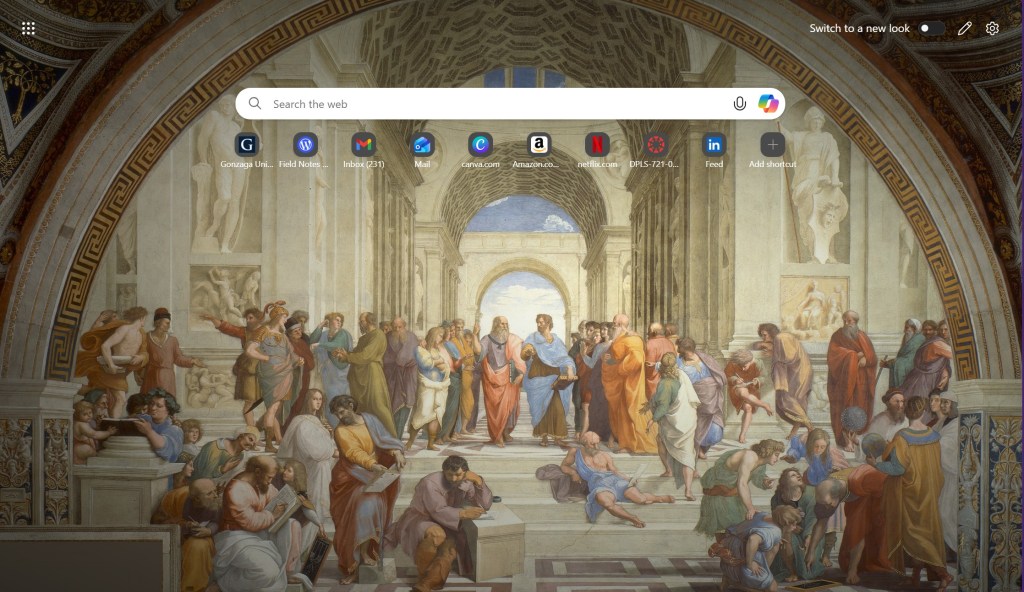
At some point, people started asking questions about the painting. I answered what I could, and speculated where speculation seemed fair, since the painting does invite conversation and interpretation.
As we talked about it, I realized I had been looking at this painting and not really seeing it for some time on my laptop, perhaps my first (and not last) moment of insight for this conference. This became part of my role on the trip in a way that I seem to inevitably fall into: I became the person people could ask about art.
I loved that.
I love talking about art in almost any form: even covered in dust, my passion for talking about art is hard to hide once I find an opportunity. Paintings, architecture, instruments, weird museum objects, sacred images, decorative details, the things people walk past without realizing they are full of history. Later, even at the Accademia, where we had a real guide, I found myself offering small pieces of early context and prompting questions that might help people look more closely.
One of my favorite moments was with the musical instruments. The Stradivarius instruments are extraordinary, of course, but I also have a soft spot for the hurdy-gurdy. It looks like something out of Dr. Seuss, except it is real, historical, and far more complicated than it first appears.
That became one of the deeper themes of Florence for me: beautiful things are very rarely simple.
Sometimes beauty asks nothing more from us than attention. It does not always need to be useful, efficient, or turned into a lesson. But the more time I spent in Florence, the more I also felt how much beautiful things can hold: choices, patrons, makers, materials, money, institutions, craft, experiments, failures, and imagination. Beauty can exist for its own sake and still carry history inside it.
Florence is a strange and beautiful place to think about leadership for exactly that reason.
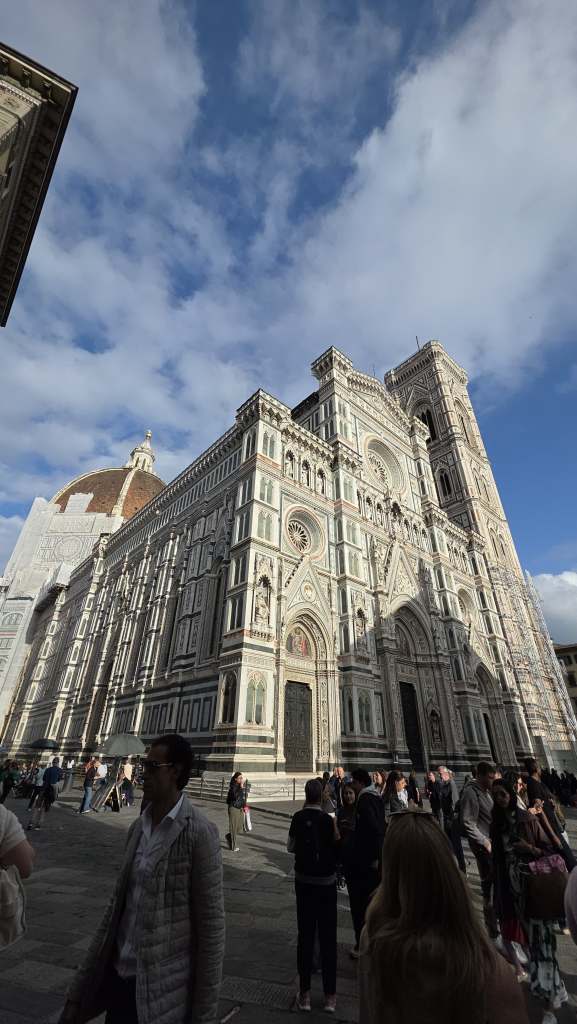
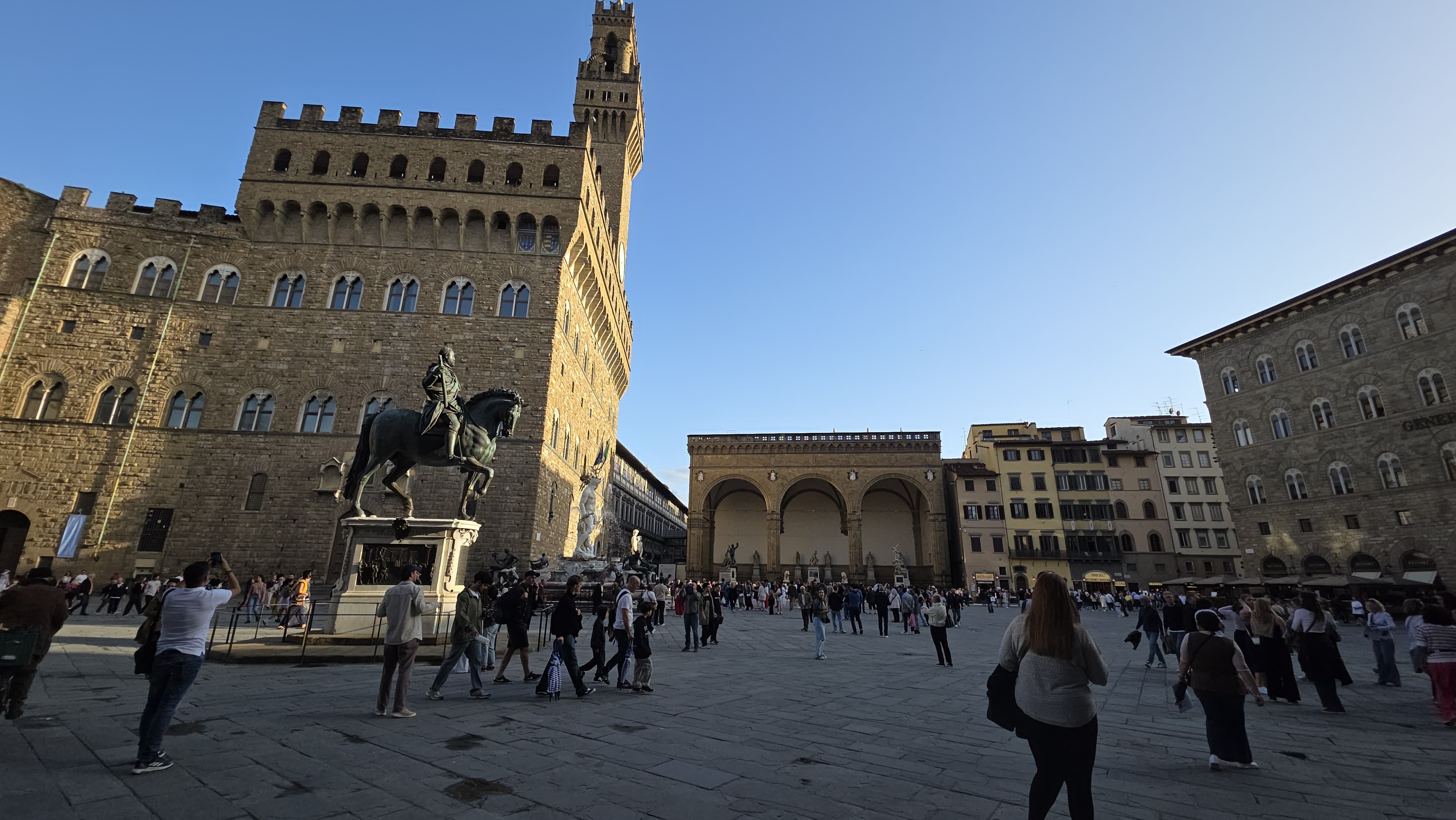
It is a city dense with visible history. Everywhere you turn, there are monuments, churches, museums, family names, paintings, and buildings that seem to announce who mattered. But Florence is also full of stories that are easier to miss. Women shaped the city through art, care, patronage, preservation, education, family strategy, religious life, and institutional work. Some of that history is visible only when someone teaches you how to look.
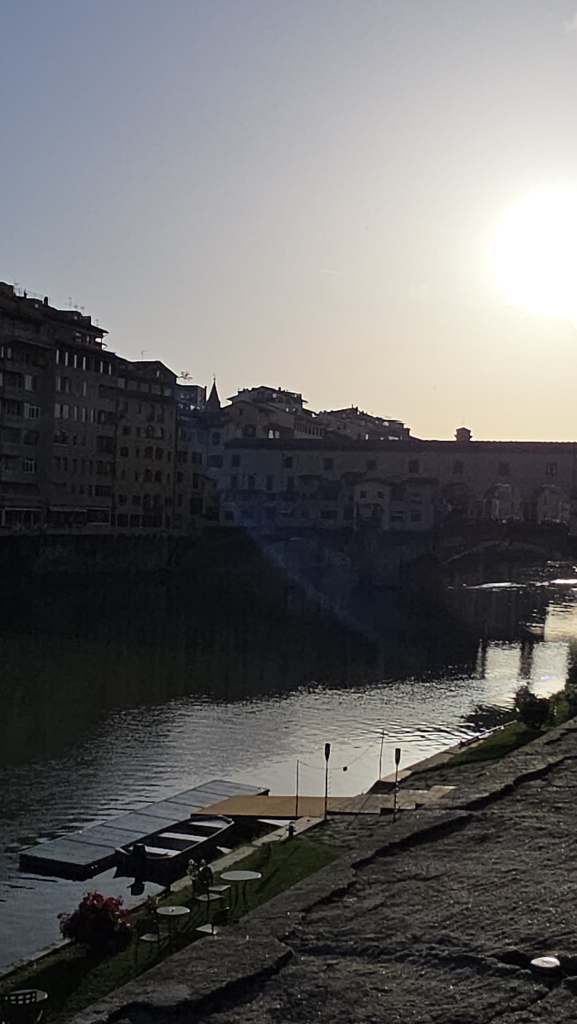
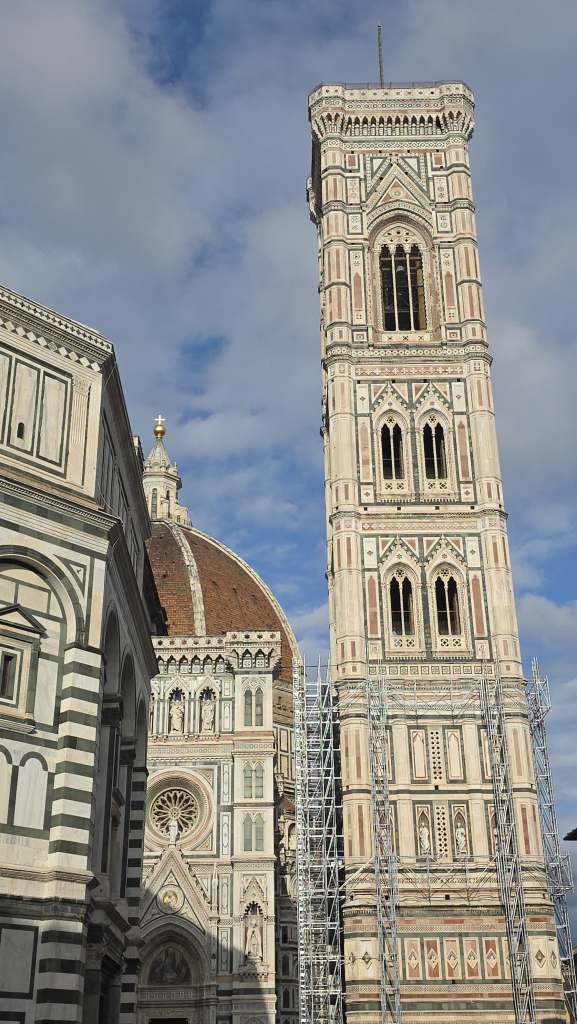
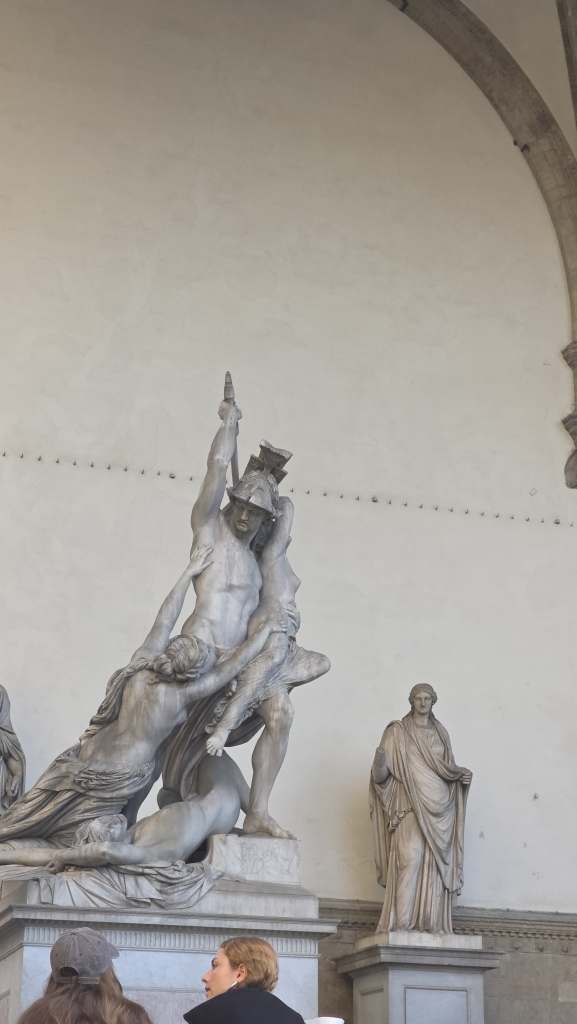
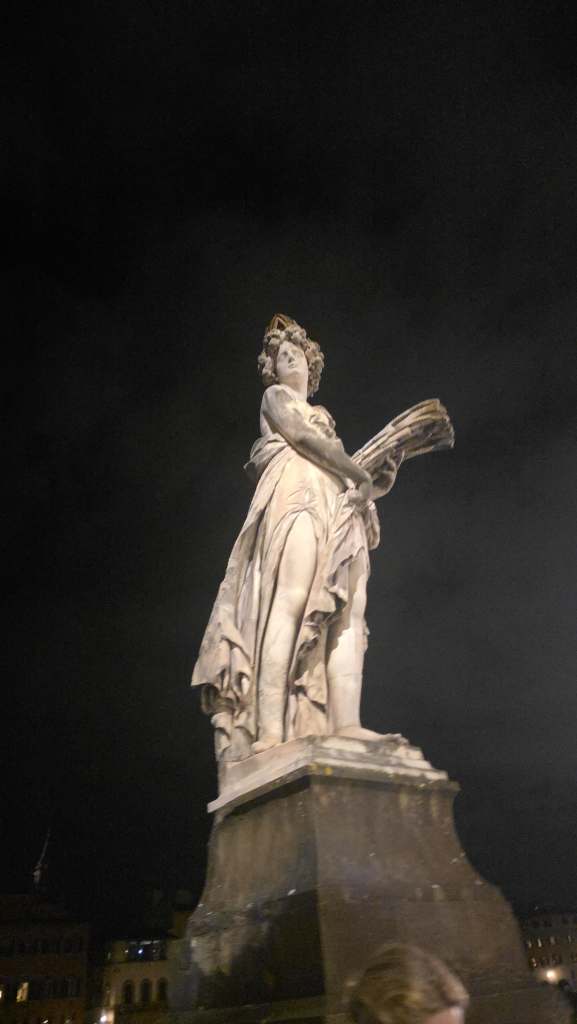
Leadership is so often discussed as something obvious: a title, a role, a decision, a public act, a voice at the front of the room. But in Florence, I kept noticing themes for other forms of leadership: The preservation of beauty. The labor of care. The patience of relationship-building. The courage to speak without becoming someone else. The responsibility that comes with inheritance, whether that inheritance is a family business, a cultural tradition, a city, or a set of values.
I do not want to write one large conference recap.
That would flatten the experience into a list of sessions and lessons, and that is not really how I experienced it. Instead, I want to treat the next several posts as field notes from Florence: individual moments that opened into larger questions.
A walking tour became a lesson in how women’s history hides in plain sight.
A conversation about leadership became a statement about voice, respect, and silence.
A discussion of care became a way to think about interdependence, vulnerability, and the work that holds communities together.
A day at a winery became a question about inheritance, stewardship, and tension between tradition and innovation.
So this is the beginning of a short Florence series. Not a complete account or a travel guide, but a set of field notes from a few days in a city that challenged me to look closer.


Bună ziua! What do you think?