Looking at banknotes a little too long
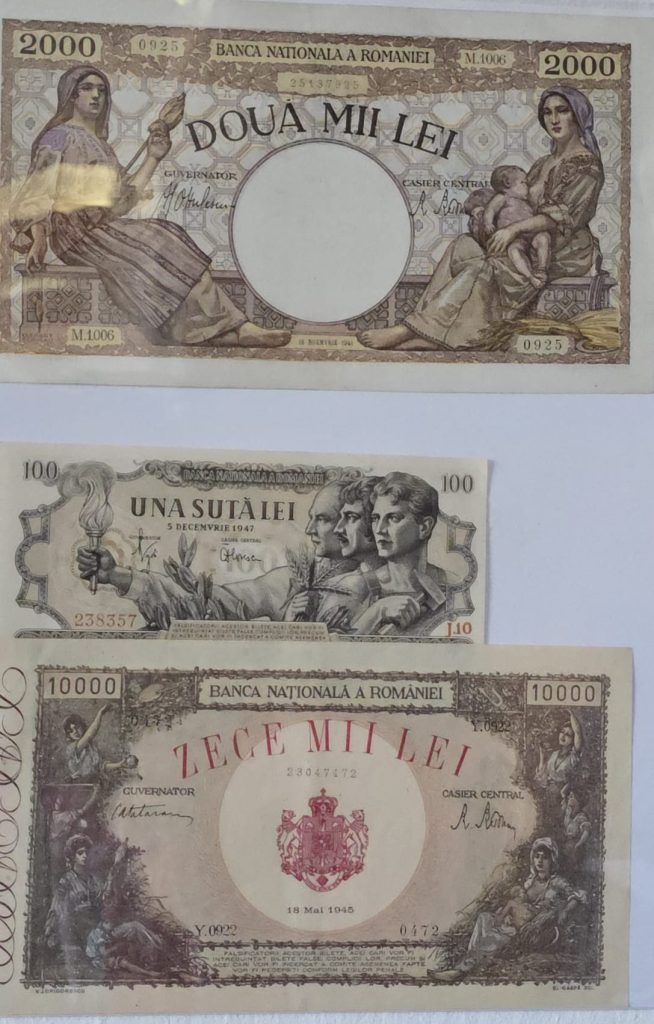
One of the unexpected rooms in the Communist Museum was a room full of money.
I say “”unexpected” because at first it really did strike me as a strange inclusion. I understood the classrooms, the uniforms, the recreated living room, the grocery displays, all the domestic and civic pieces of life under communism. Those made immediate sense to me. But then there was this room lined with banknotes from different countries, and my first reaction was honestly just: huh.
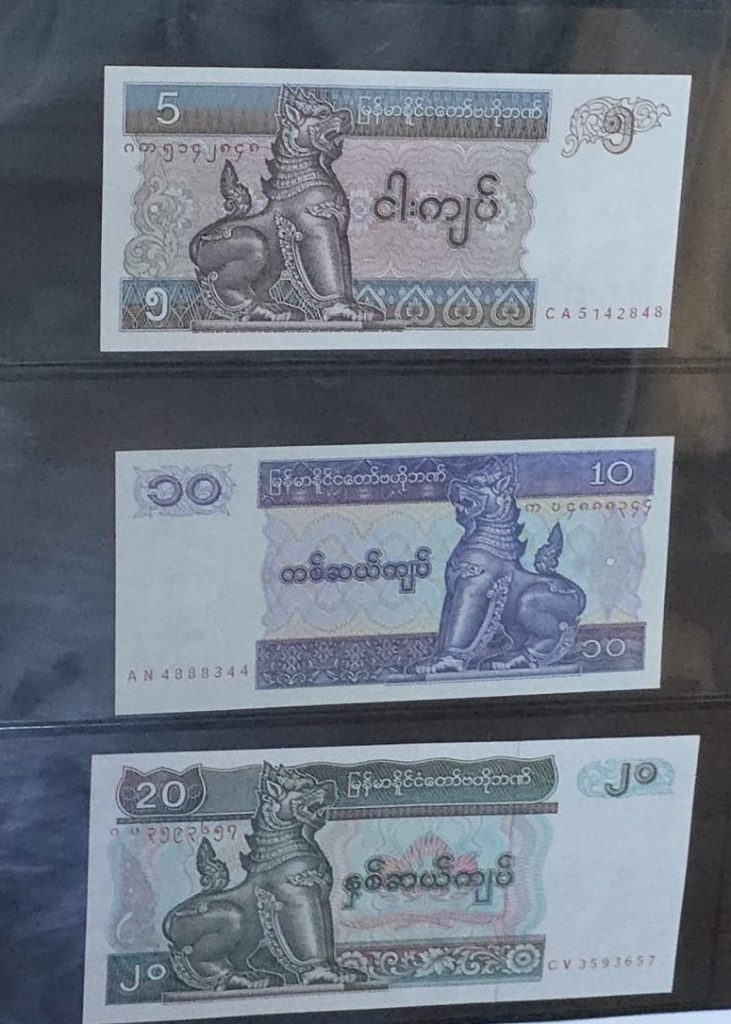
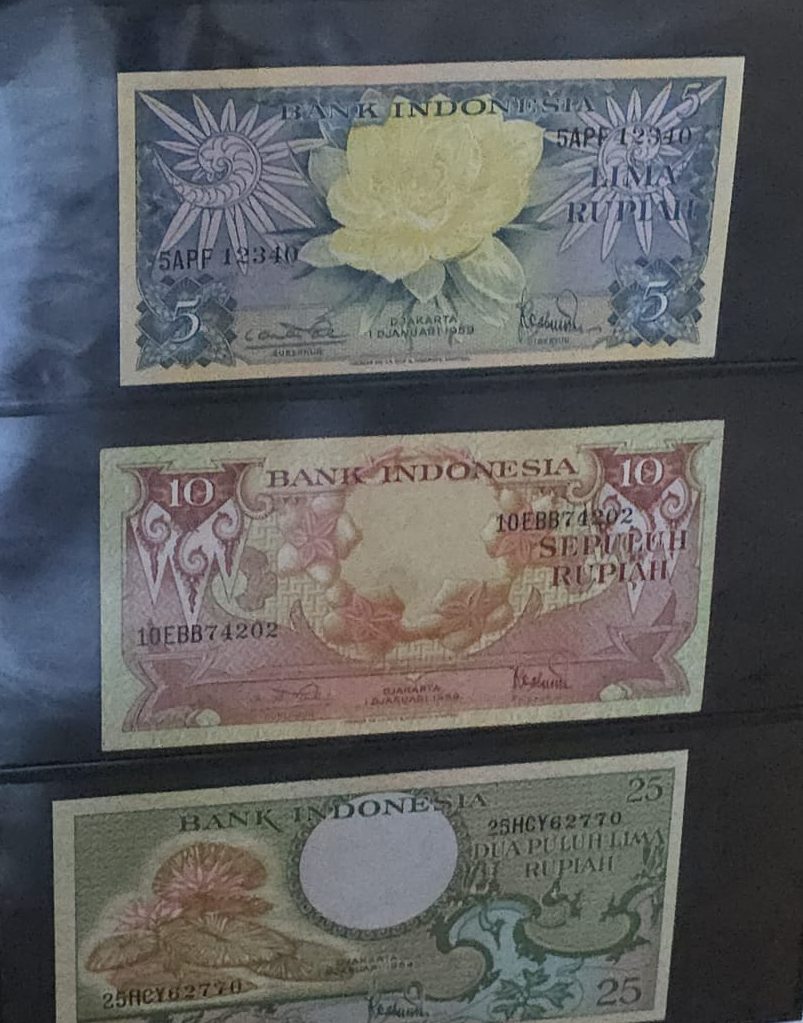
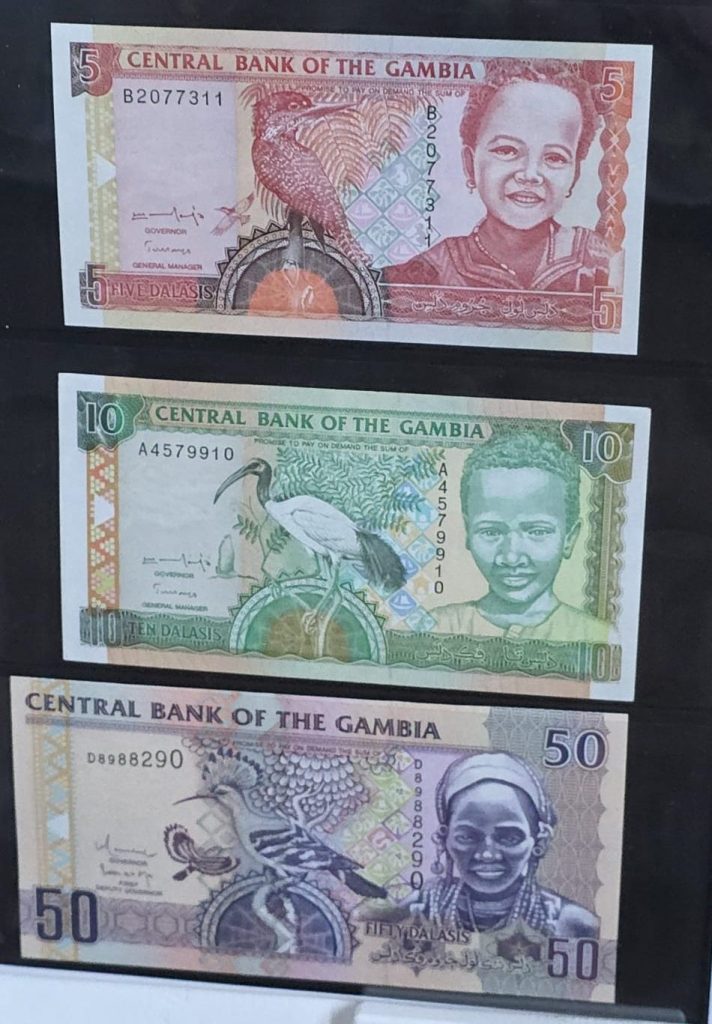
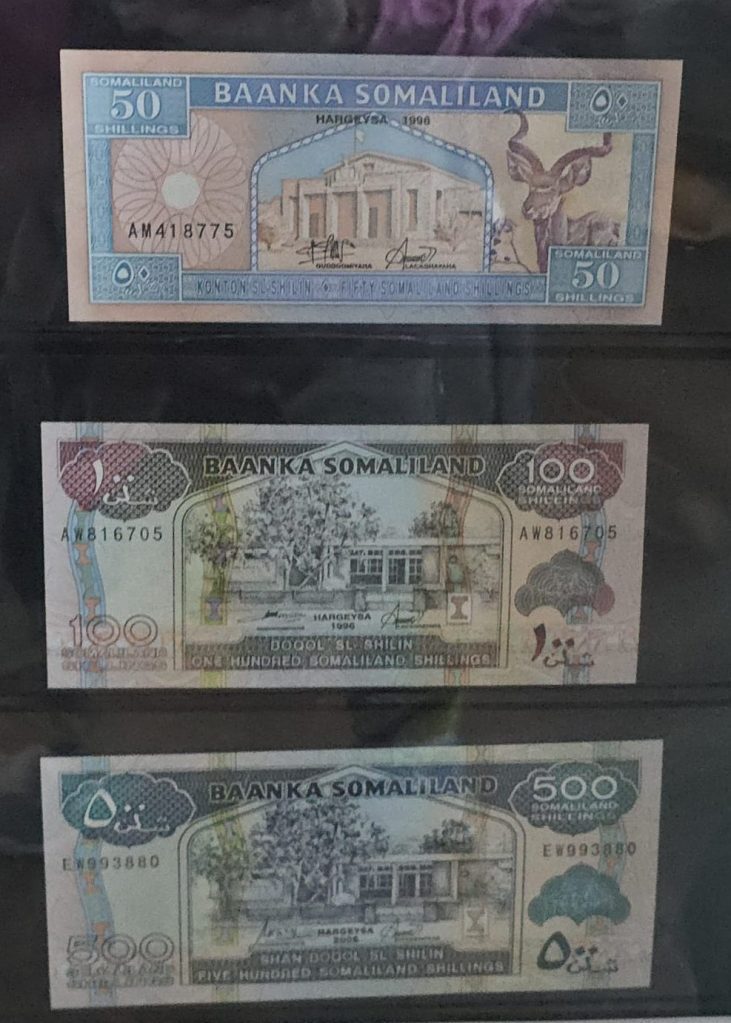
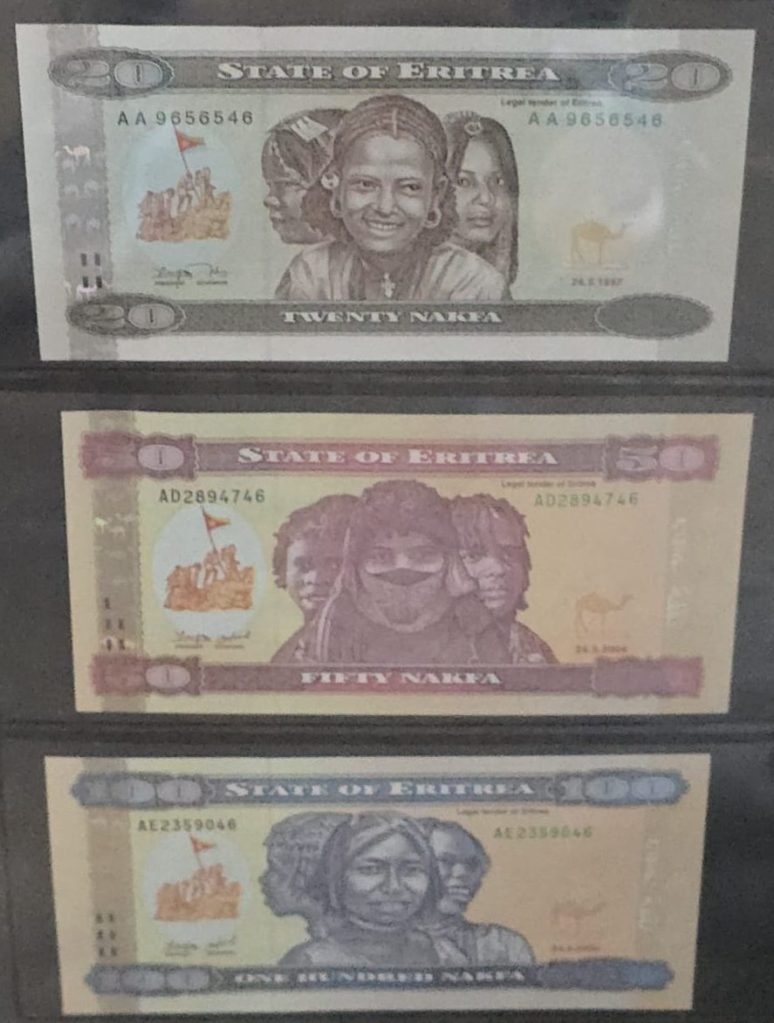
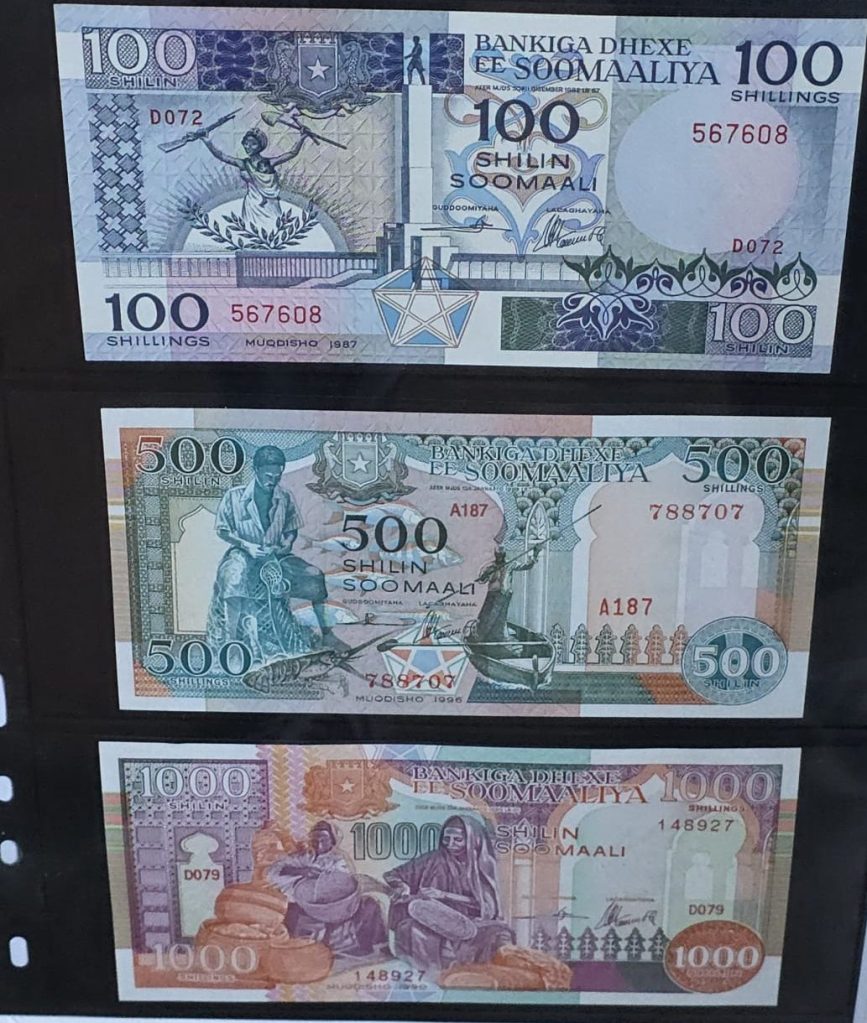
I almost skipped going in because it seemed so misaligned to the rest of the museum, but the museum was small and I thought it would be at least worth checking out. The stamps, after all, had been a lot more interesting than I first thought as well. But the longer I stood in the room looking at all the currency and coins, the more it started to make sense.
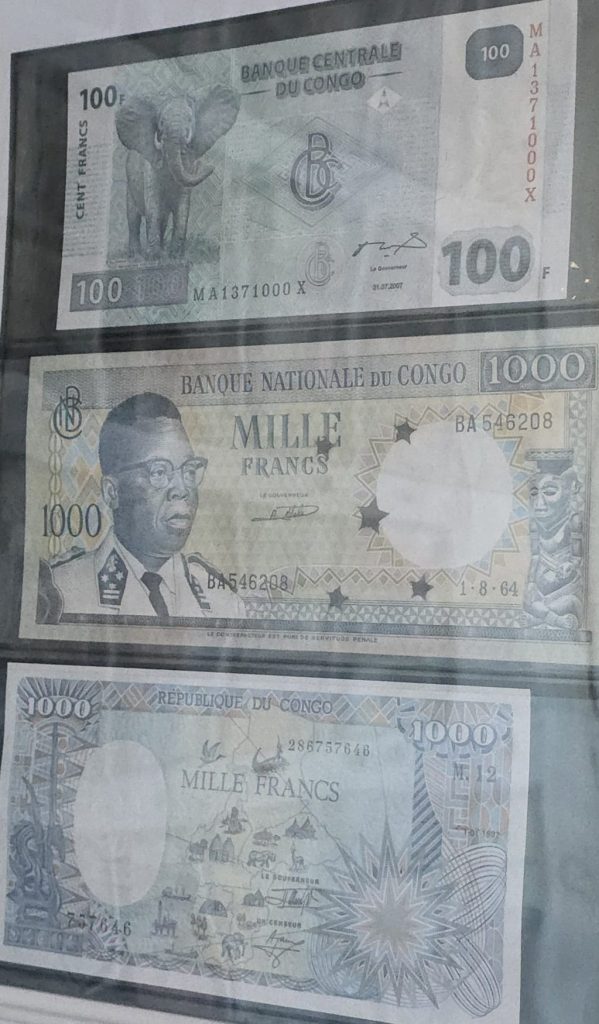
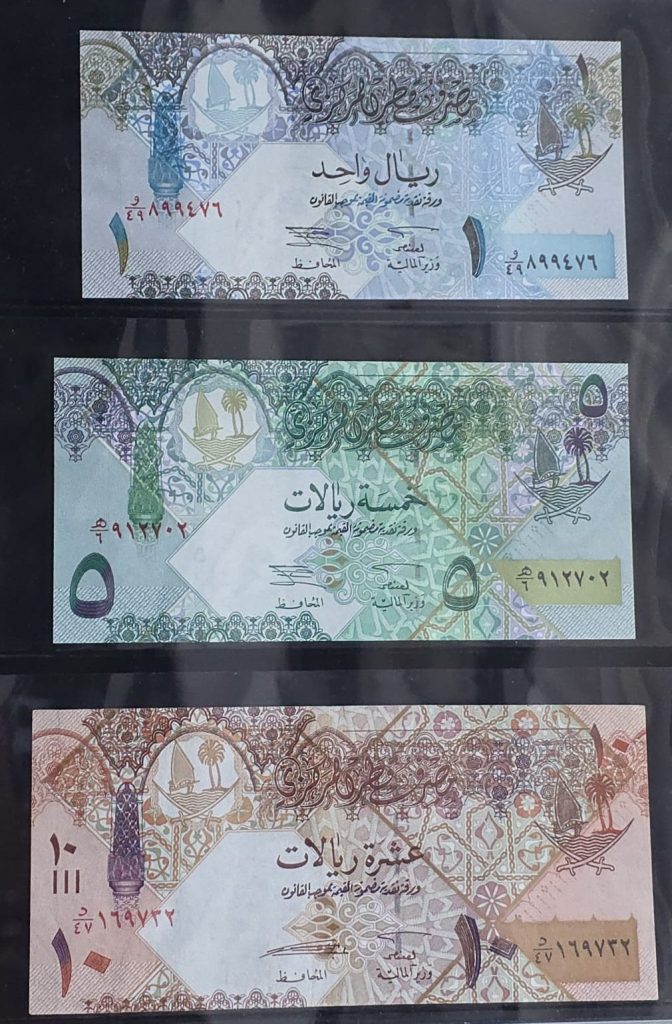
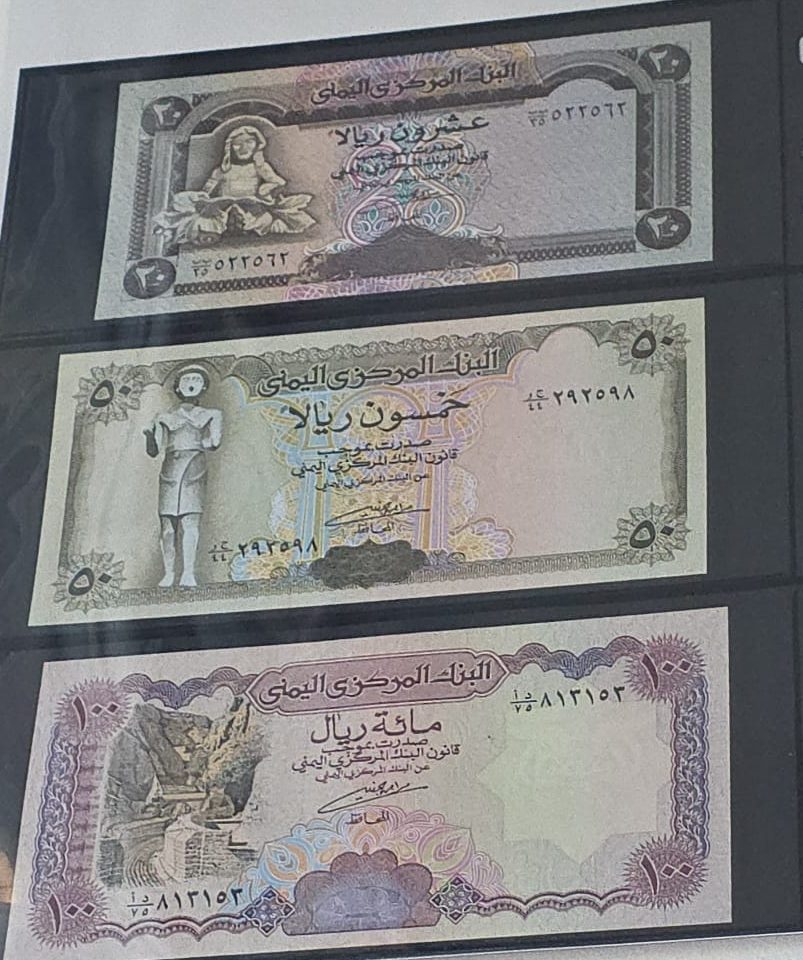
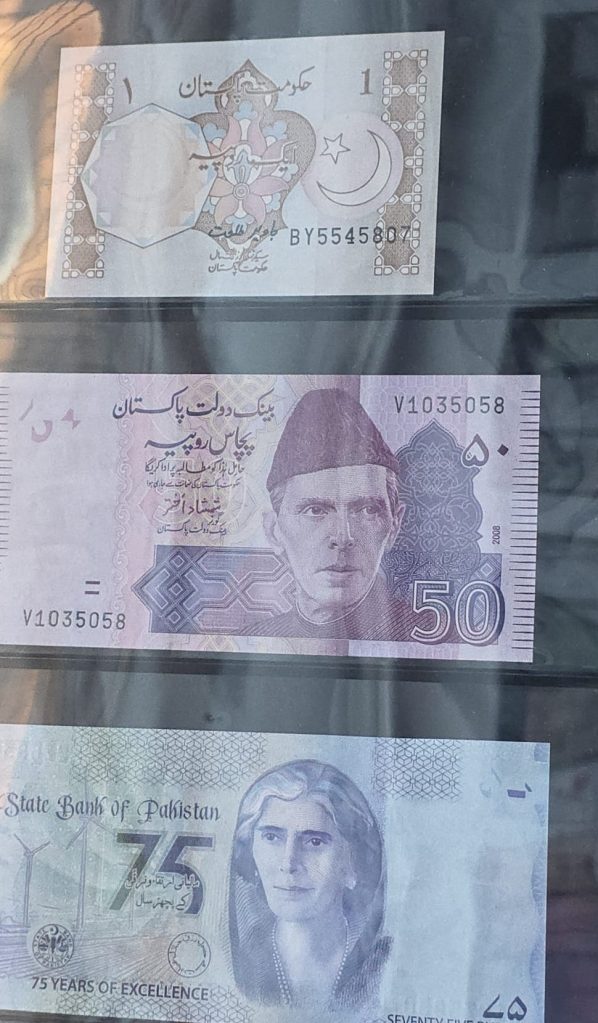
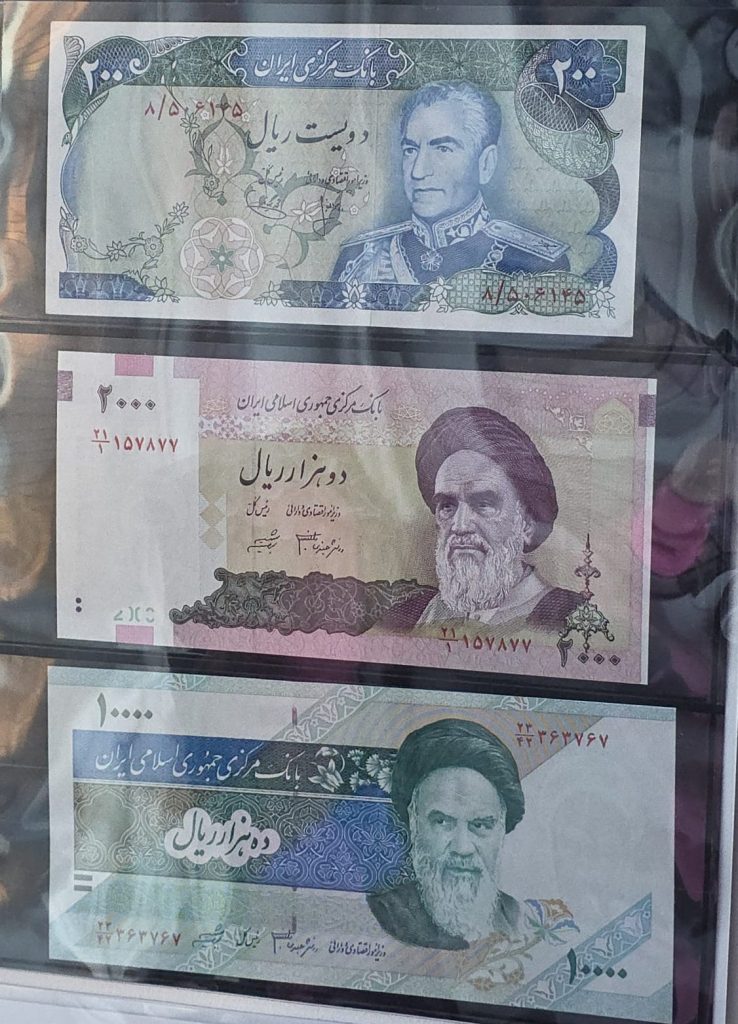
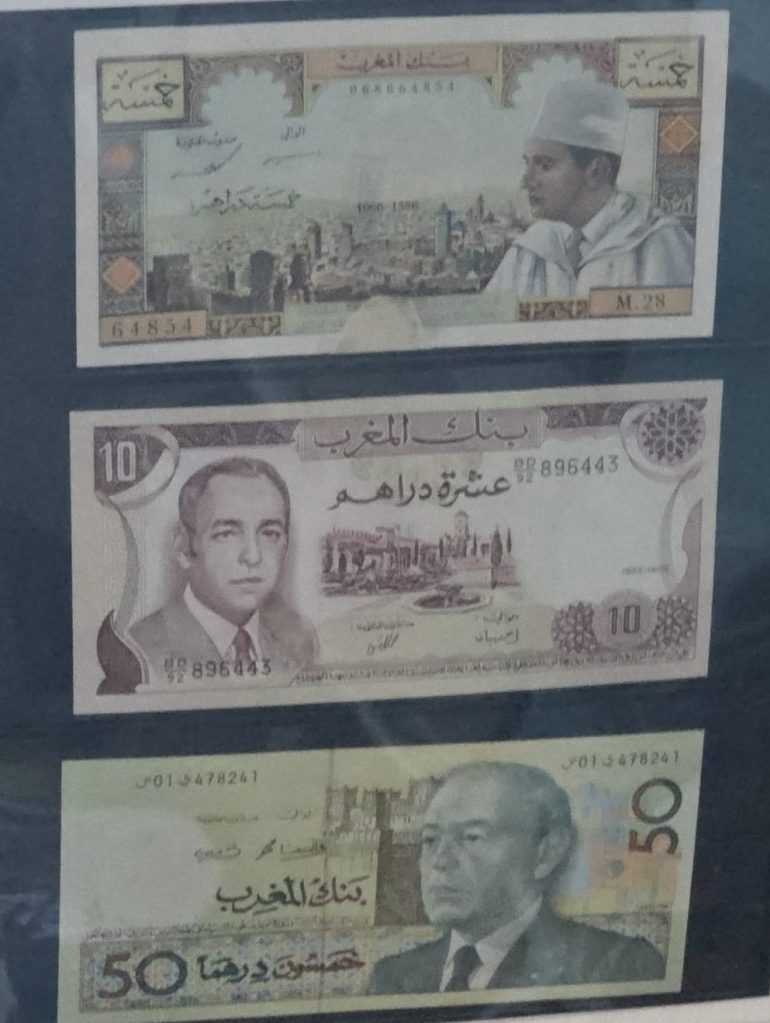
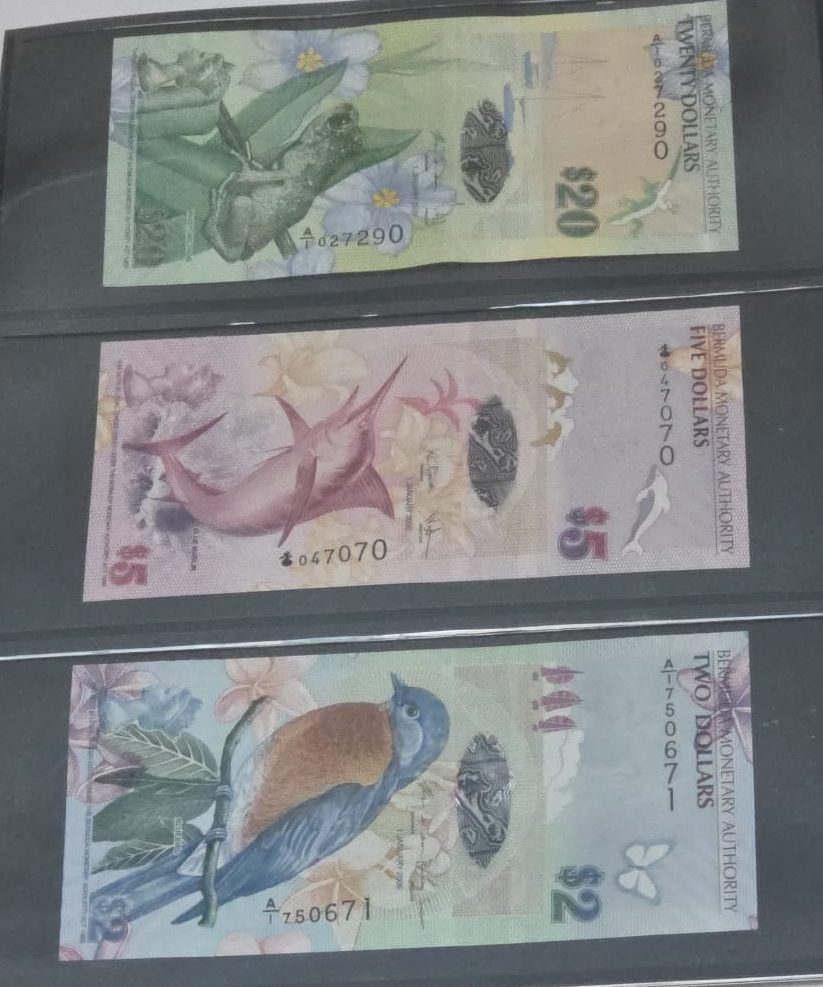
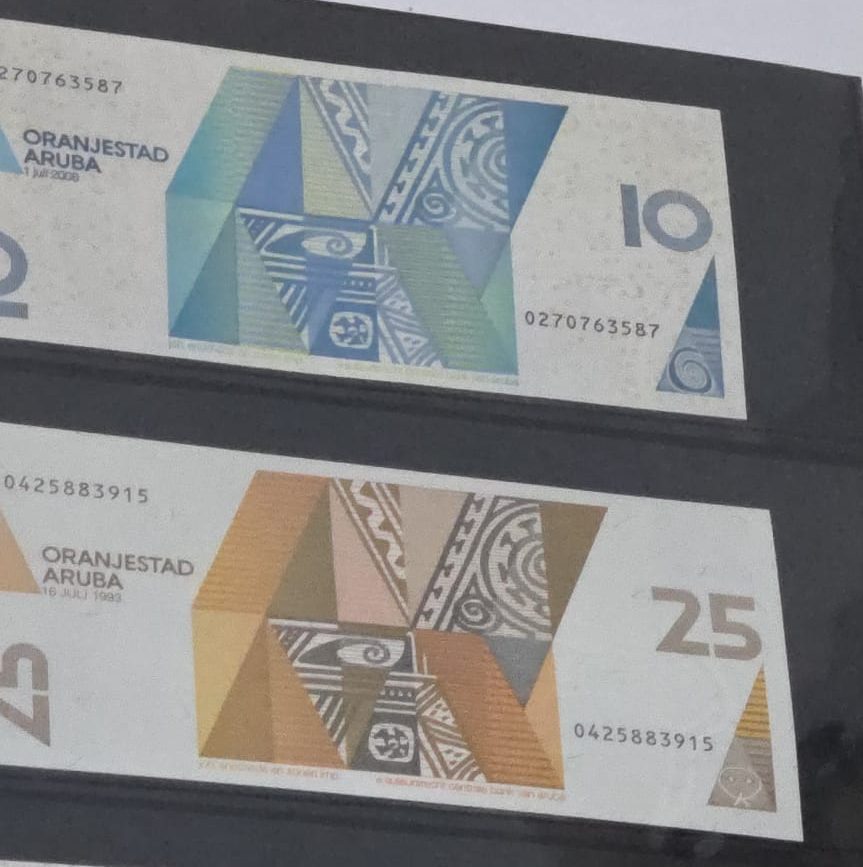
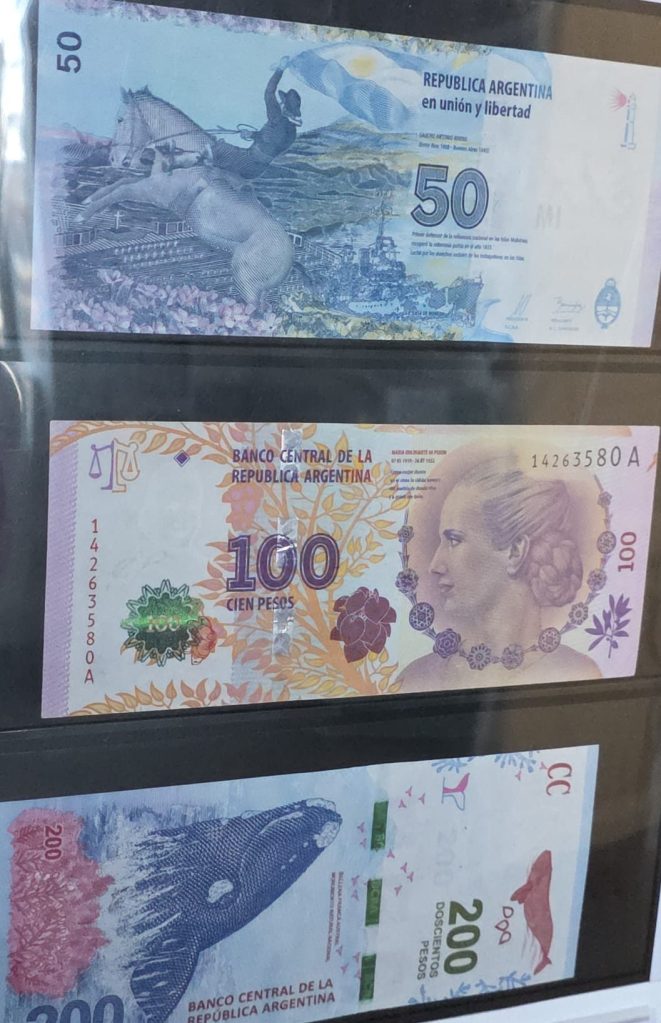
Part of it was simply visual. Money can be beautiful when you stop treating it like something to shove into your wallet or tap past on a screen. Some of it was printed in bright colors, with birds, animals, buildings, faces, elaborate borders, patterns, and little artistic details I would never normally notice. Other notes felt formal and official, standard colors with stern looking portraits or blocks of writing. Some of the currency was almost playful. Some looked proud. Some looked ornate. Some seemed like something from a board game. Some looked like they were trying very hard to tell you what kind of country had made them.
And I realized, standing there, that money is not just money.
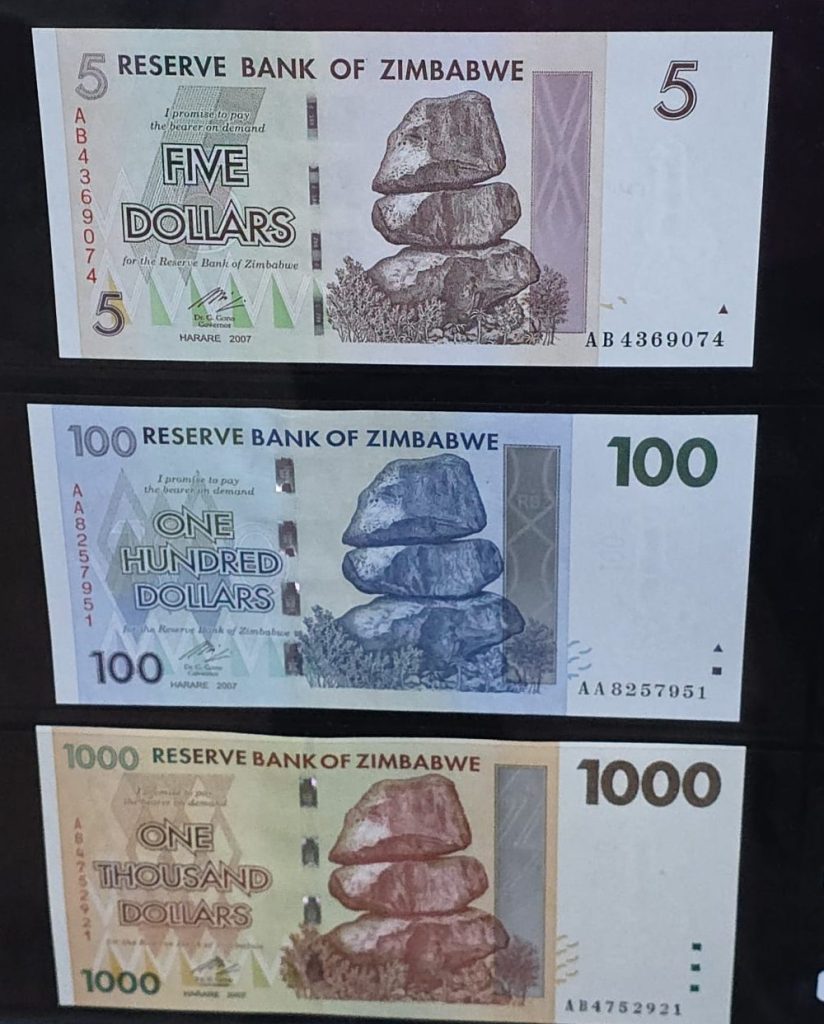
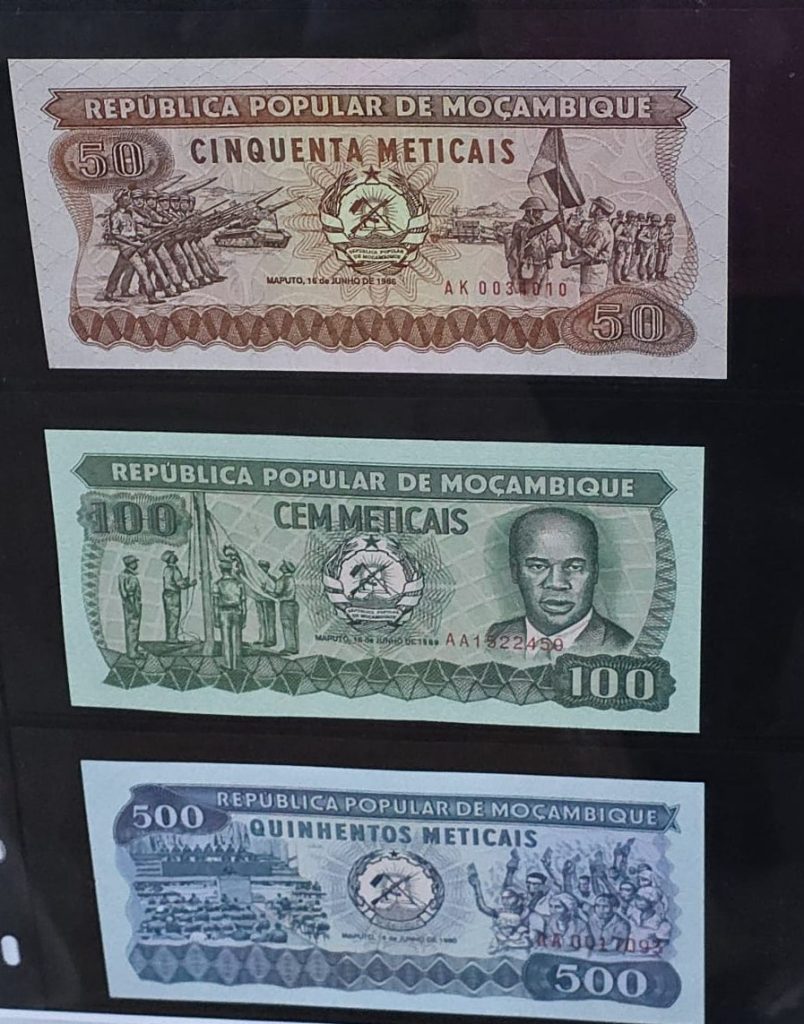
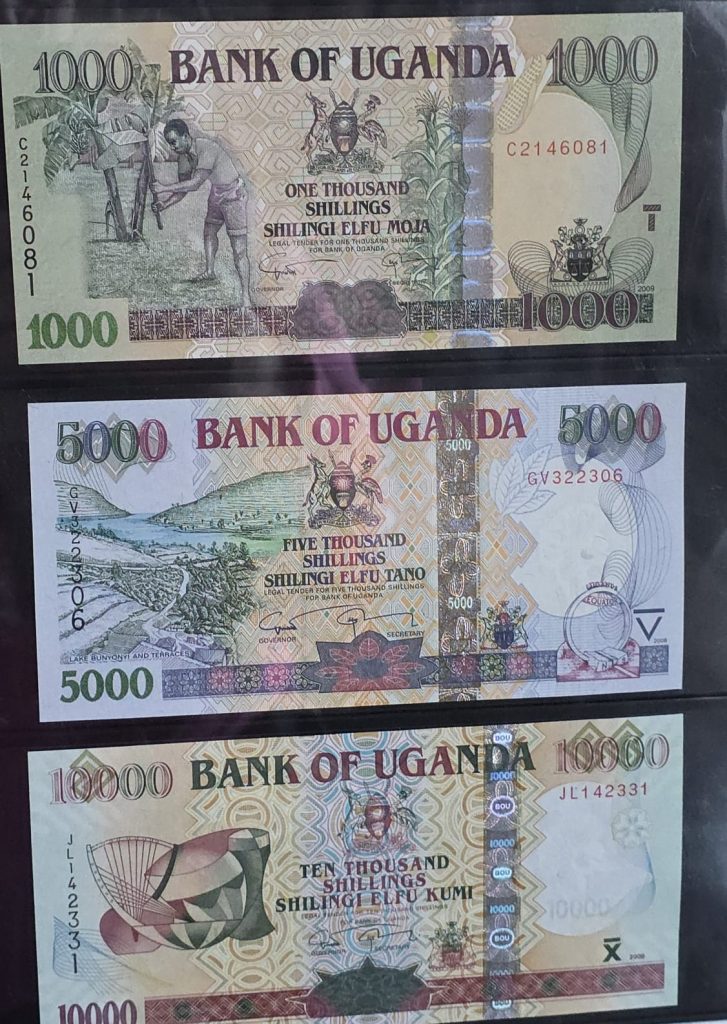
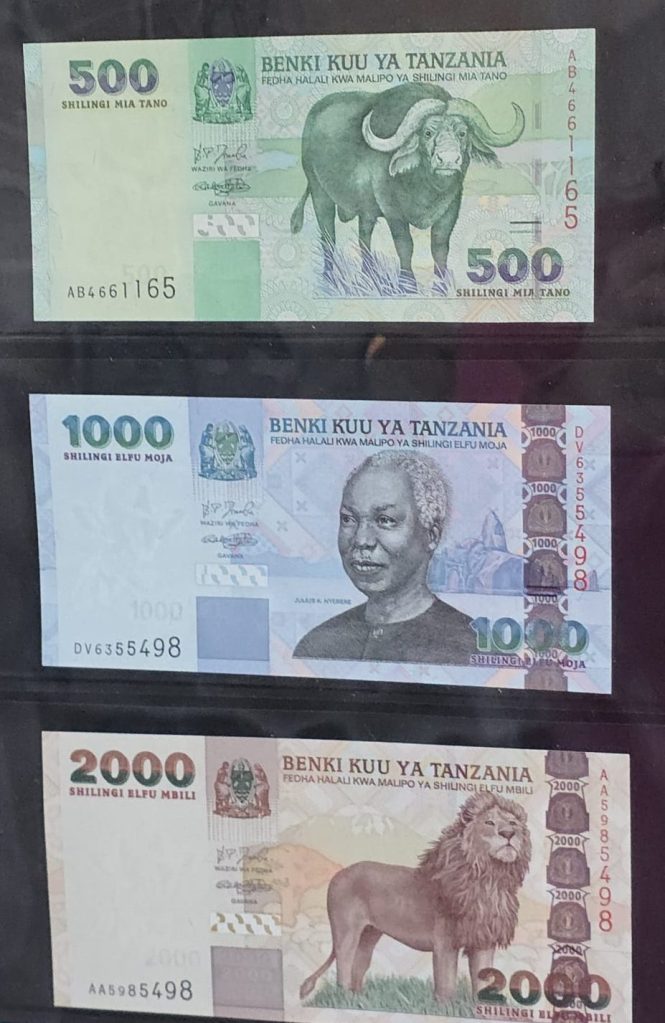
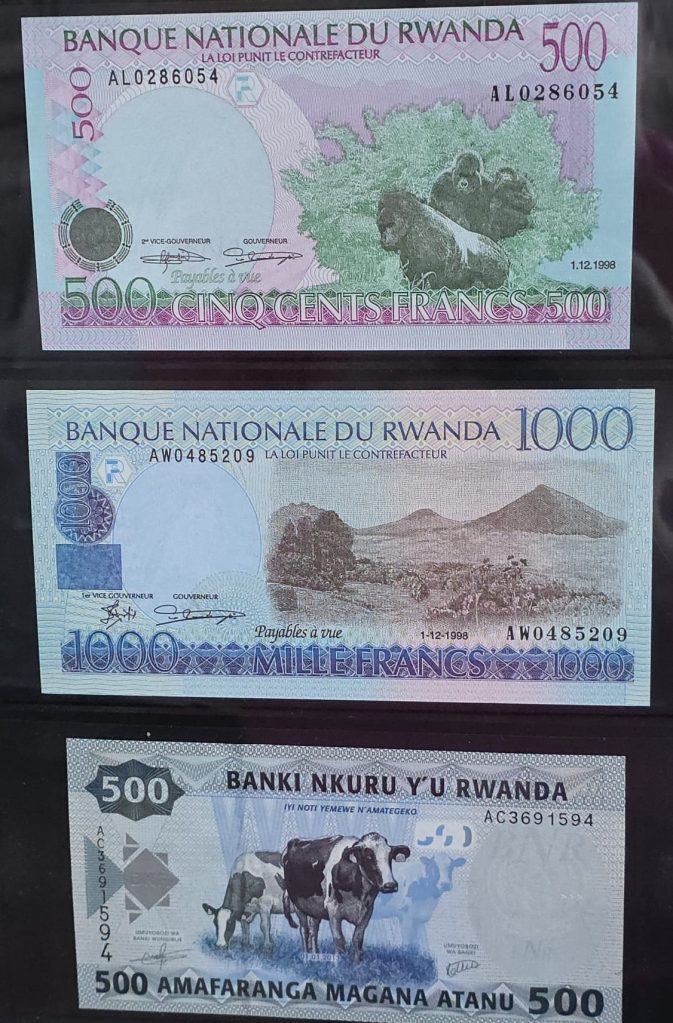
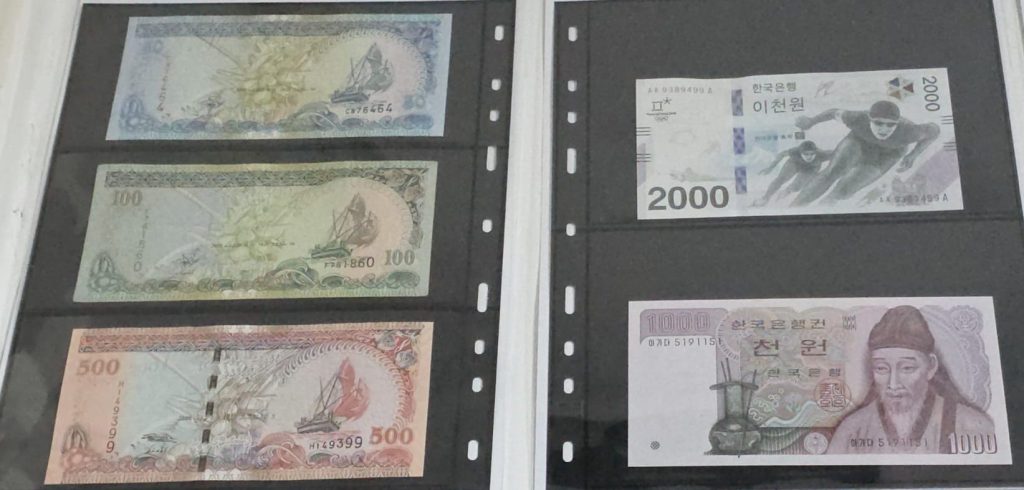
It is one of the most ordinary ways a country tells a story about itself.
Who gets printed on the bills? A king? A poet? A revolutionary? A bird? A mountain? A famous building? A scientist? A national hero? Even when the answer seems obvious, it still says something. These choices are not neutral. They are tiny acts of self-definition, repeated over and over in millions of pockets and purses and cash registers.
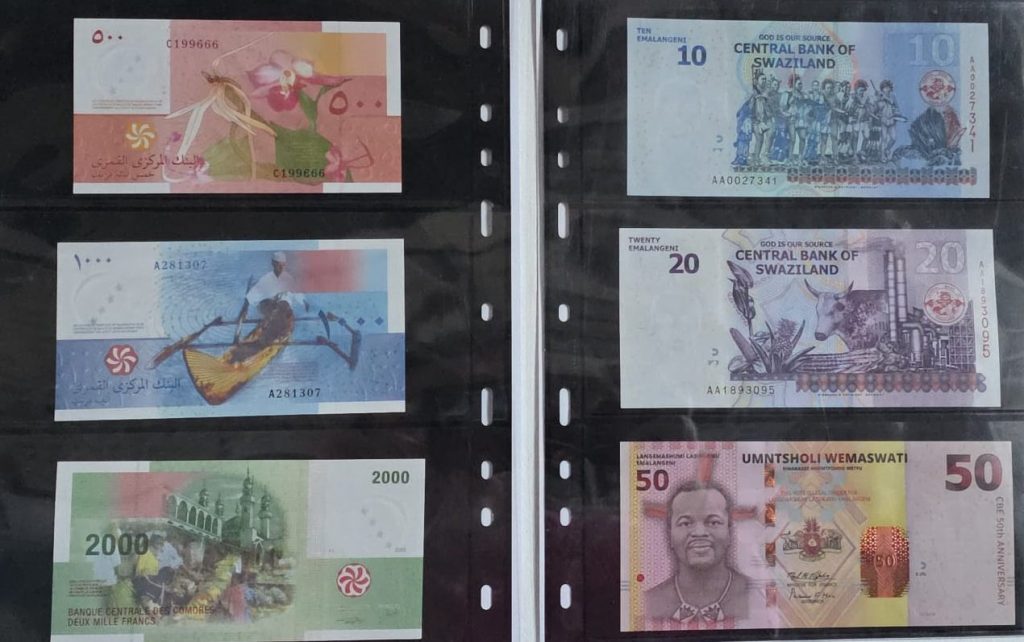
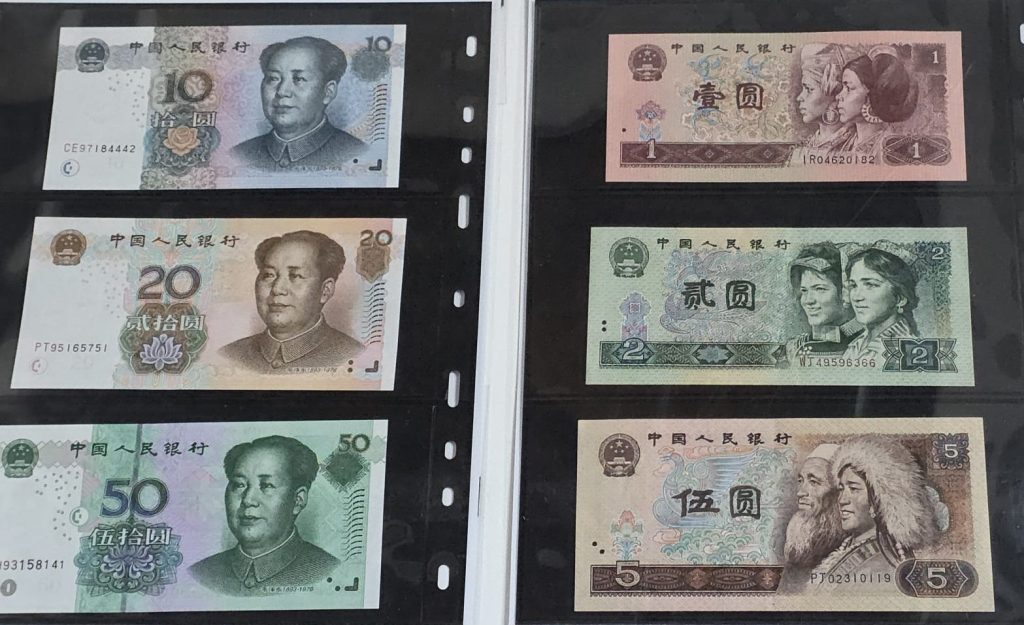
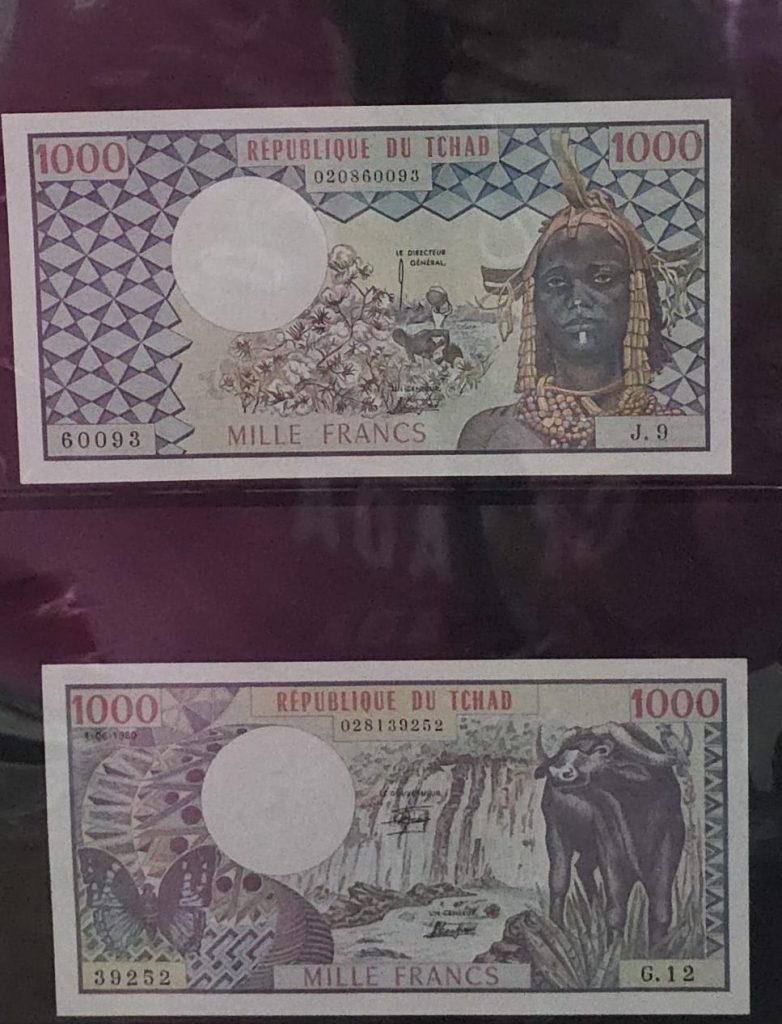
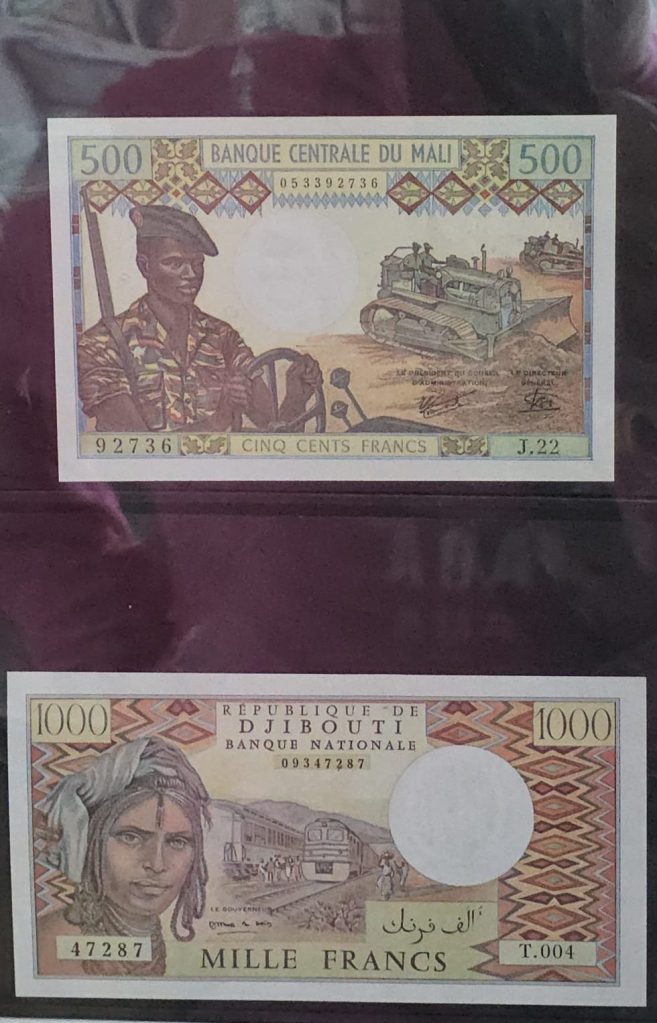
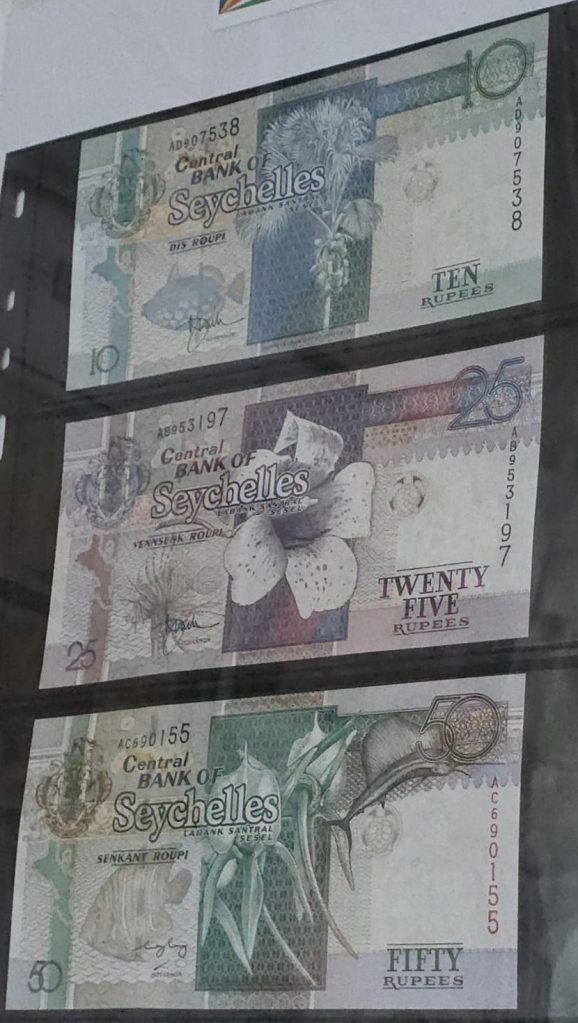
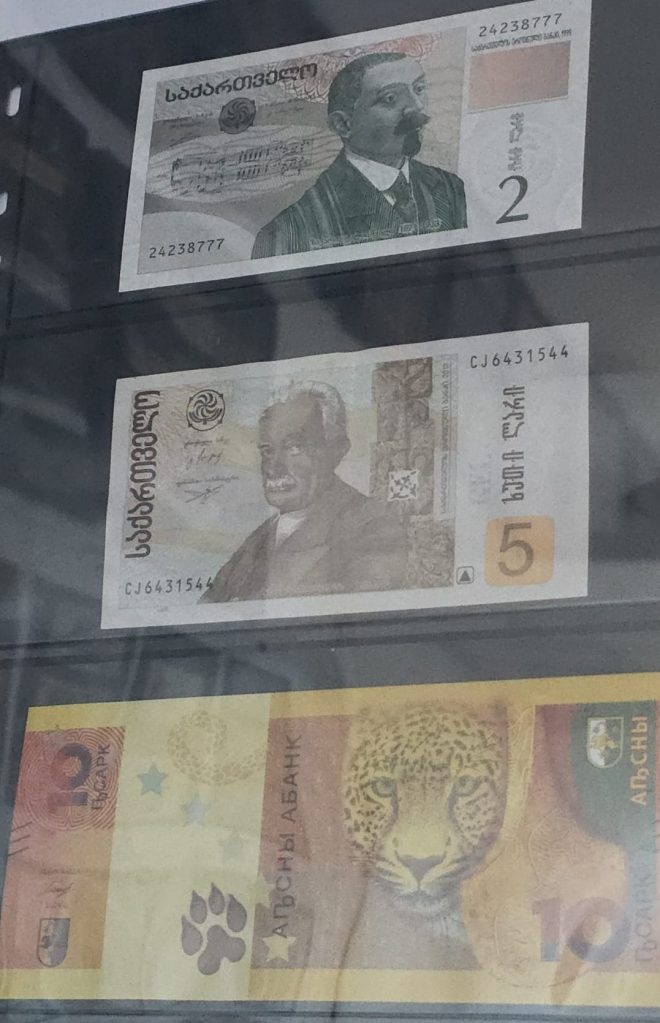
I do not think I had ever really considered that before.
Or maybe I had considered it in a vague, passing way, but not enough to let it settle. Certainly not enough to stand in a museum and think, well, apparently every banknote is basically a tiny national statement about what matters.
That was the thing that interested me. Not just that the notes were pretty, although many of them were, but that they were so revealing. I stopped just looking at the brightly colored notes with animals, and started over at the beginning of the room, really looking this time at each country’s currency on display. A country tells on itself a little by what it chooses to put on its money: What it honors, what it wants repeated, what symbols it thinks are sturdy enough to survive being folded, exchanged, worn down, passed from hand to hand.
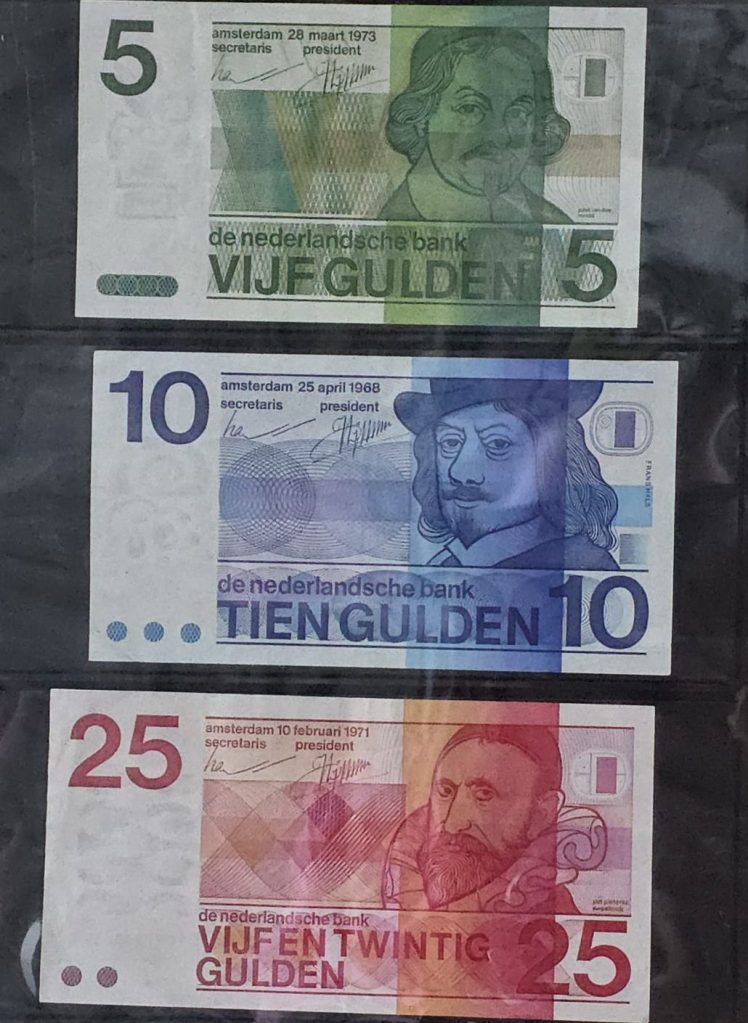
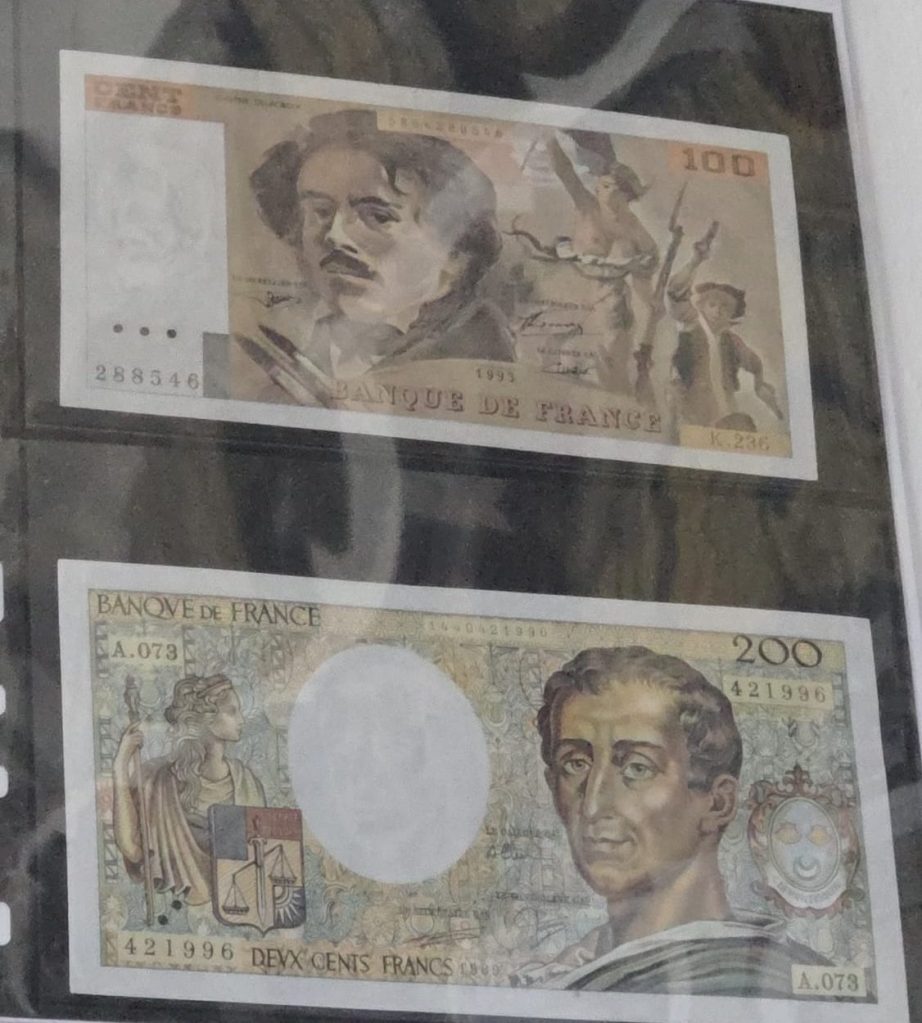
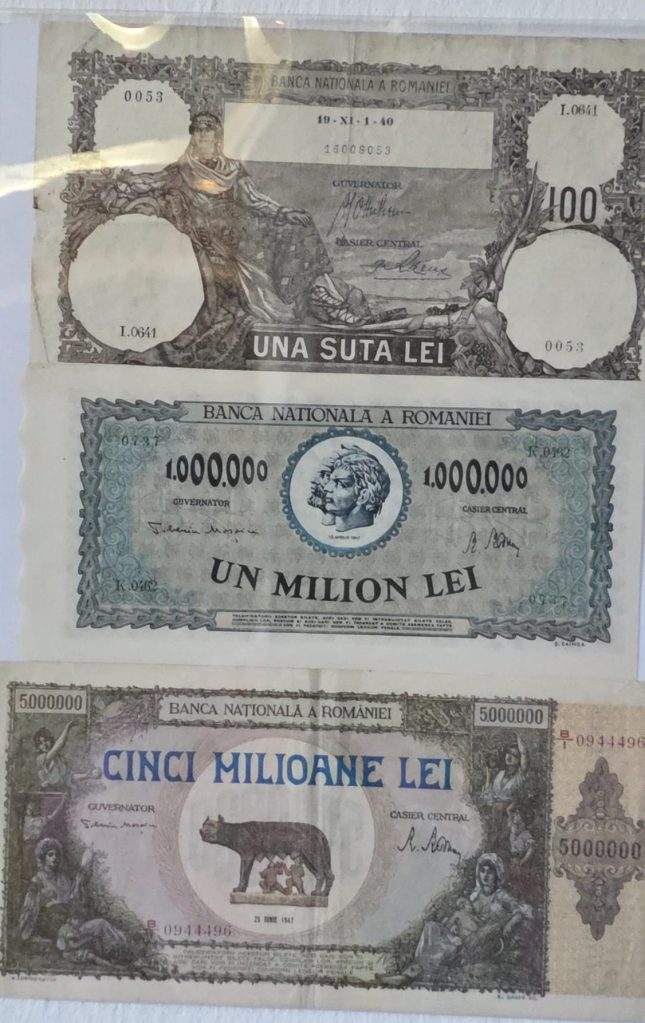
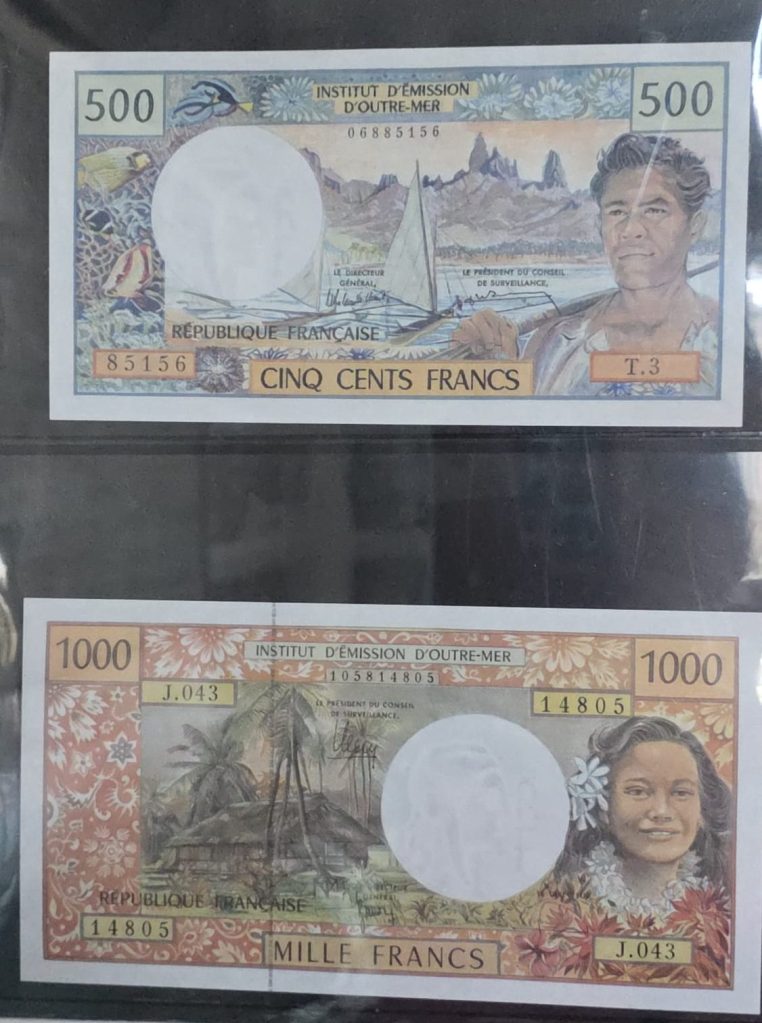
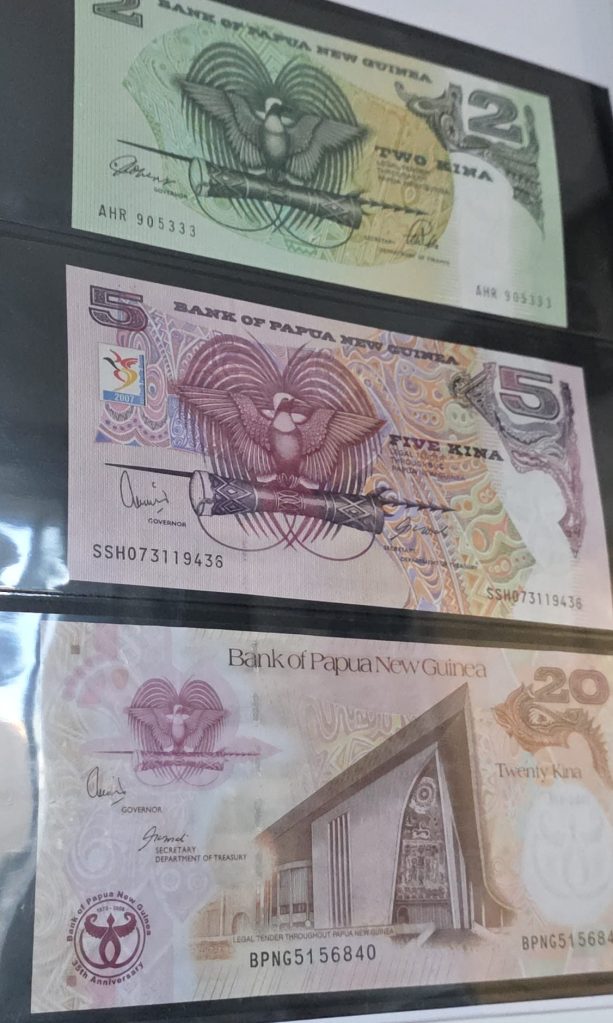
So in the end, the room did not feel random at all.
In a museum already full of objects that carried more meaning than I first realized, the money room fit right in. Uniforms tell stories. Toys tell stories. Living rooms tell stories. And apparently, money has something to say too.
Which, I suppose, is a dangerous realization to have, because now I am likely to become the kind of strange tourist who stares at banknotes a little too long while paying for coffee.
 Field Notes From Abroad
Bună ziua! What do you think?